How to Build a Billion-Rand Fintech by Ignoring Every Banking Convention
While traditional banks spent decades rejecting informal traders as “unbankable”, Yoco quietly built a payments empire worth over R1.5 billion by doing the exact opposite.
They didn’t just capture 200,000+ South African SMEs. They transformed street vendors into digital merchants, turning rejection letters into revenue streams.
Let’s dive into how one fintech startup rewrote the rules of financial inclusion…
Key Takeaways
🚀 Yoco reached 200,000+ merchants by targeting the “unbankable” informal sector first.
💥 Zero paperwork onboarding vs traditional ‘weeks’ bank account opening.
📈 From R0 to R1.5 billion valuation in under 8 years.
🔑 Built trust through township activations, not corporate boardrooms.
🌍 Turned payment terminals into business management platforms.
👉 Created a merchant-first ecosystem while banks chased corporate clients.
The Anti-Bank Strategy: When Rejection Becomes Your Target Market
Think of Yoco’s strategy like a guerrilla army taking the territory the empire abandoned.
While Standard Bank and FNB fought over corporate accounts, Yoco saw gold in the graveyard of rejected applications.
They didn’t just offer payment solutions. They offered dignity to entrepreneurs, banks wouldn’t even look at.
Why This Strategy Destroys Traditional Competition?
The psychology is devastatingly simple.
When you’ve been rejected by every financial institution for years, the first company that says “yes” doesn’t just win your business.
They win your loyalty for life.
Yoco understood something banks never grasped: informal traders don’t need charity. They need tools.
Give a street vendor the same payment tech as a Sandton boutique, and watch them flourish.
Case Study 1: The Township Takeover
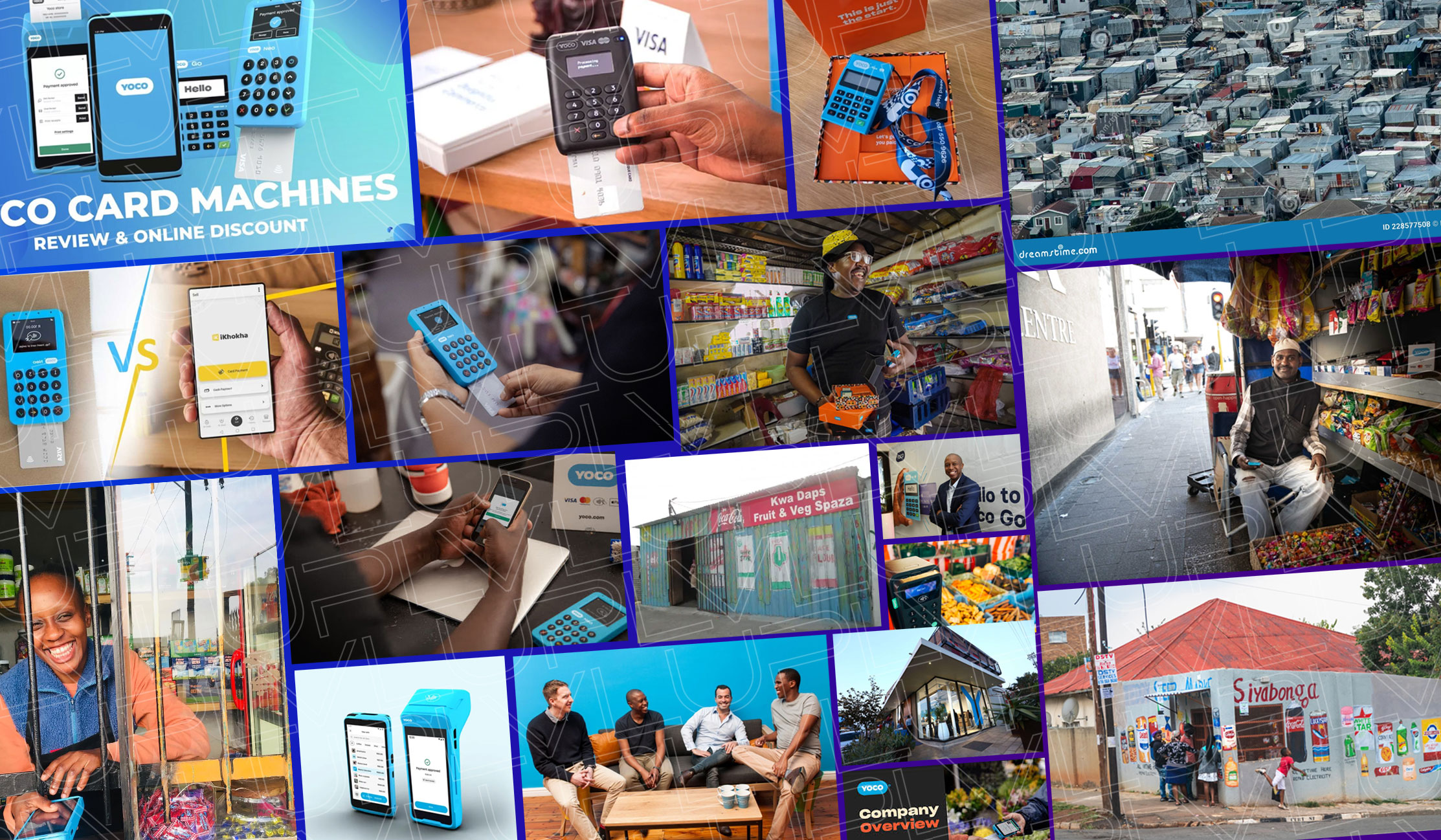
In 2016, Yoco launched in Khayelitsha with zero traditional marketing.
No billboards. No TV ads. Just boots on the ground.
Result?
5,000 merchants signed up in 3 months.
Their secret weapon? They brought the bank to the people, setting up in taxi ranks and spaza shops.
Merchants could get a payment terminal faster than buying airtime. 15 minutes from signup to first transaction.
Compare that to Traditional Bank’s 100-day account opening process.
Case Study 2: Killing the Sacred Cows
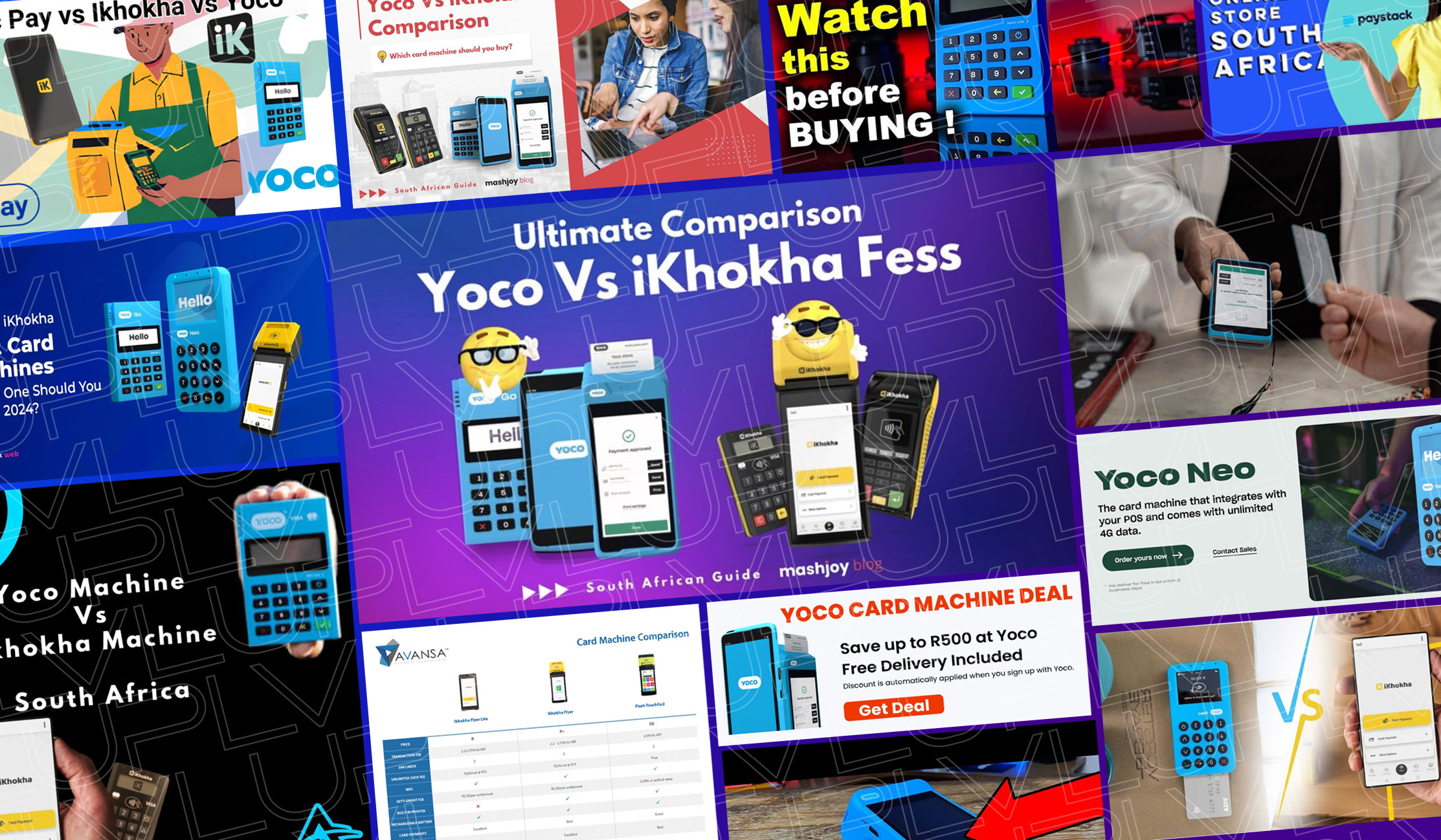
While iKhokha focused on hardware specs, Yoco built an entire business ecosystem.
Free invoicing. Inventory management. Sales analytics. All in one app.
– Average merchant grows revenue 34% in first year
They didn’t sell payment terminals. They sold business transformation.
The 4-Step Township Domination Playbook
Step 1: Identify the Abandoned
Find the market segment everyone else calls “too difficult”.
For Yoco, it was informal traders rejected by banks. For you, it might be a different overlooked group.
The key? Their pain must be desperate and universal.
Step 2: Remove Every Friction Point
Yoco’s onboarding: Download app. Verify ID. Get terminal delivered.
No proof of address (many informal traders don’t have formal addresses).
No minimum turnover requirements.
No monthly fees.
Make signup easier than ordering lunch.
Step 3: Build Trust Through Presence
Yoco didn’t advertise. They showed up.
Township activations. Trader workshops. WhatsApp support in local languages.
When your market doesn’t trust institutions, become human.
Be in their space, speaking their language, solving their specific problems.
Step 4: Create Exponential Value
Payment processing was just the hook.
Yoco added business tools, education, and community features.
Each feature made merchants more successful, which made them process more payments, which funded more features.
A beautiful growth flywheel that compounds itself.
The Hidden Dangers of Bottom-Up Disruption
This strategy isn’t without teeth.
Cash flow challenges hit harder when serving price-sensitive markets.
Yoco burned through capital for years before reaching profitability.
Competitor response intensifies once you prove the market exists. iKhokha and international players now aggressively target the same segment.
Regulatory compliance becomes complex when serving informal sectors.
The lesson?
You need deep pockets or brilliant unit economics. Preferably both.
When This Strategy Fails (And When It Dominates)
This approach fails in commoditised markets where switching costs are low.
It fails when the abandoned segment genuinely can’t generate sustainable revenue.
But it dominates when:
– Traditional players have massive bureaucratic overhead
– The overlooked segment has hidden purchasing power
– Trust and relationships matter more than features
– Network effects can lock in your early advantage
Yoco had all four. That’s why they’re worth R1.5 billion while banks scramble to copy them.
The Uncomfortable Truth About Market Disruption
Yoco’s success exposes an uncomfortable truth about traditional business.
Most companies don’t avoid certain markets because they’re unprofitable.
They avoid them because they’re uncomfortable.
Serving informal traders means leaving Sandton offices for township streets.
It means building for WhatsApp, not email.
It means accepting cash deposits at Shoprite, not bank transfers.
The companies willing to get uncomfortable? They inherit empires.
At UPLVL, our growth team designs and executes the exact kind of high-impact strategies. Turning overlooked assets into profitable marketing engines. What overlooked aspect of your product could become your most profitable marketing asset?🤔
Most e-commerce brands think they need Amazon-level infrastructure to scale logistics.
They’re dead wrong.
Shopify proved this by helping 4.36 million...